



ppgi coils quotes
The Impact of CGL in Steel Manufacturing In the realm of steel manufacturing, the Continuous Galvanizing Line (CGL) plays a pivotal role in enhancing the quality, durability, and longevity of steel products. The process of galvanization, which involves coating steel with zinc, provides a protective barrier against corrosion, thereby extending the lifespan of steel structures and components. This article delves into the significance of CGL in steel production, its operational mechanisms, and the benefits it offers to the industry. Understanding Continuous Galvanizing Line A Continuous Galvanizing Line is an advanced industrial setup designed to continuously coat steel strips with zinc. The process begins with the preparation of the steel substrate, which is cleaned and treated to ensure optimal adhesion of zinc. This is typically achieved through processes such as pickling, where rust and scale are removed using acid baths. Following this, the cleaned steel is fed into the galvanizing unit, where it is immersed in a molten bath of zinc. The CGL operates on a continuous basis, which means that the steel strip is continuously fed through the various stages without interruption. This not only improves efficiency but also significantly reduces production time. After coating, the steel is subjected to a cooling process, which allows the zinc to bond effectively with the steel surface. Finally, the coated steel strips are recoiled for further processing or shipping. . 1. Corrosion Resistance One of the primary benefits of galvanizing steel is its enhanced resistance to corrosion. The zinc layer serves as a sacrificial barrier, meaning it will corrode before the underlying steel. This is particularly advantageous for structures exposed to harsh environments, such as bridges, buildings, and automotive components. خط cgl في مصنع الصلب 2. Cost-Effectiveness Although the initial investment in a Continuous Galvanizing Line may be substantial, the long-term savings associated with reduced maintenance and replacement costs make it a worthwhile investment. Galvanized steel requires less frequent maintenance, leading to lower overall lifecycle costs. 3. Improved Aesthetic Appeal The smooth, shiny finish of galvanized steel not only enhances its visual appeal but also contributes to its marketability. This is particularly important in industries where aesthetics matter, such as automotive and architectural applications. 4. Environmental Impact Galvanization is considered an environmentally friendly process. Zinc, being abundant, is recyclable, and the use of galvanized steel promotes sustainability by extending the lifespan of steel structures, thus reducing the need for new materials. 5. Versatility The functionality of CGL extends to a wide variety of applications, ranging from construction and infrastructure to automotive and appliance manufacturing. The ability to produce large volumes of coated steel enables manufacturers to meet diverse industry demands efficiently. Conclusion The Continuous Galvanizing Line is an integral component of modern steel manufacturing, providing significant advantages in terms of quality, durability, and cost-effectiveness. As industries continue to prioritize sustainability and efficiency, the importance of galvanization will only grow. By investing in advanced CGL technology, steel manufacturers can enhance their product offerings and meet the increasing demand for high-performance steel solutions in a variety of sectors. Ultimately, CGL represents the convergence of technology and environmental stewardship, paving the way for a more resilient and sustainable future in steel production.

We have successfully executed over 500
projects around the world,
many first-of-their-kind
research projects and products in China, including
We have successfully executed over 500
projects around the world,
many first-of-their-kind
research projects and products in China, including
-
2004
The 1st hydraulic AGC system for hot rolling of ribbon steel
-
2006
The 1st AFC system used for 1450mm skin pass mill
-
2009
The 1st 5-stand tandem line with 2-stand POR & Uncoiler for 650mm ribbon steel
-
2012
The 1st reversing mill for 1380mm strip
-
2016
The 1st soft-rolling system used in skin pass mill
-
2019
The 1st fully automated medium-width tandem cold rolling mill
-
2021
The 1st 5000KN Twin-stand double skin pass mill
-
2022
The 1st coupled pickling line & tandem cold mill with two modes - big roller & small roller
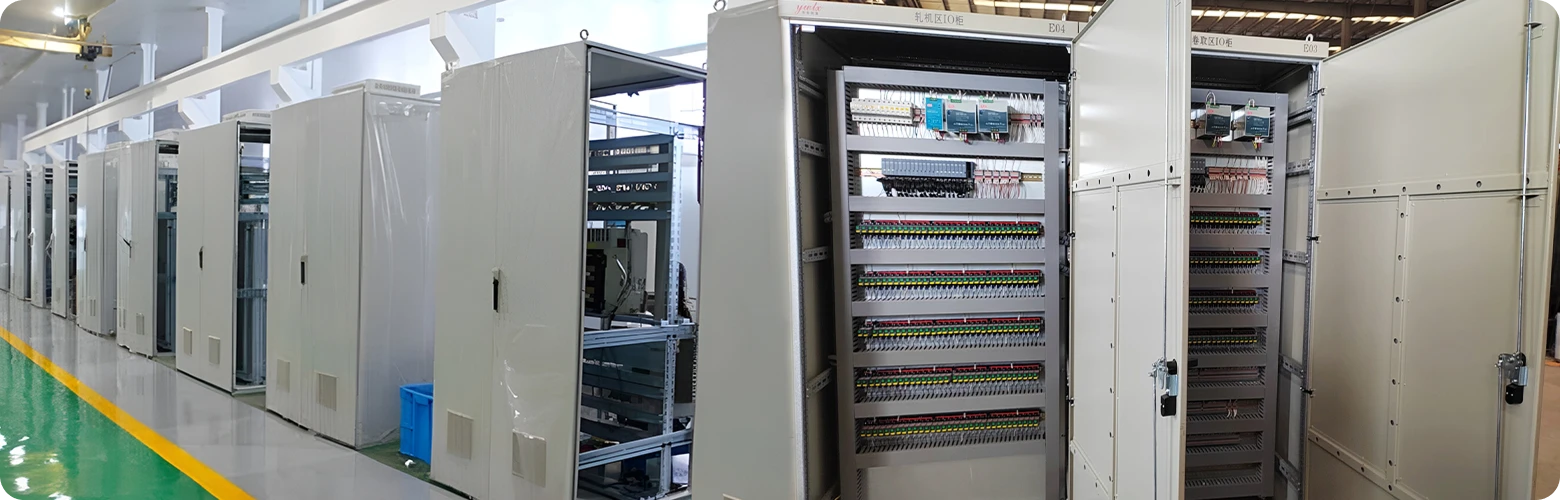
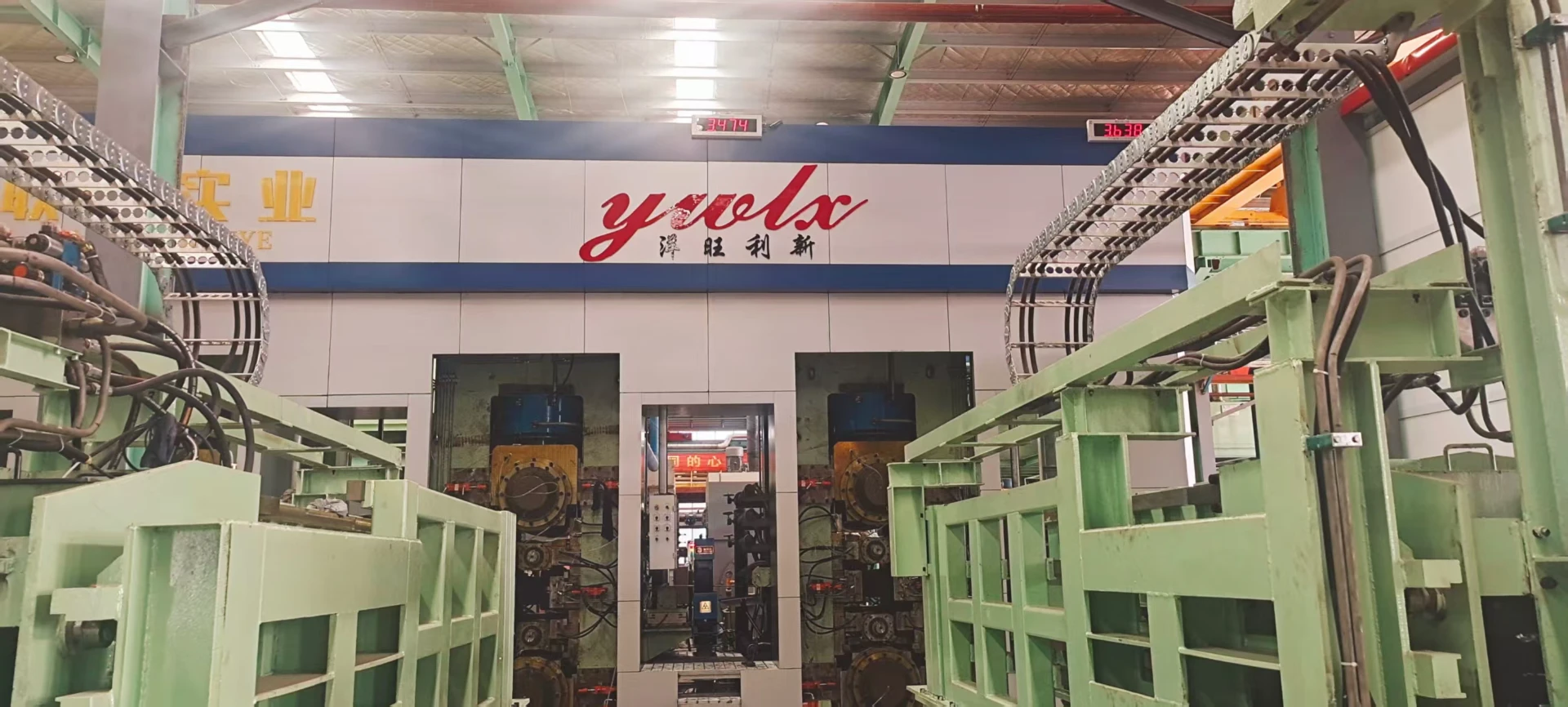
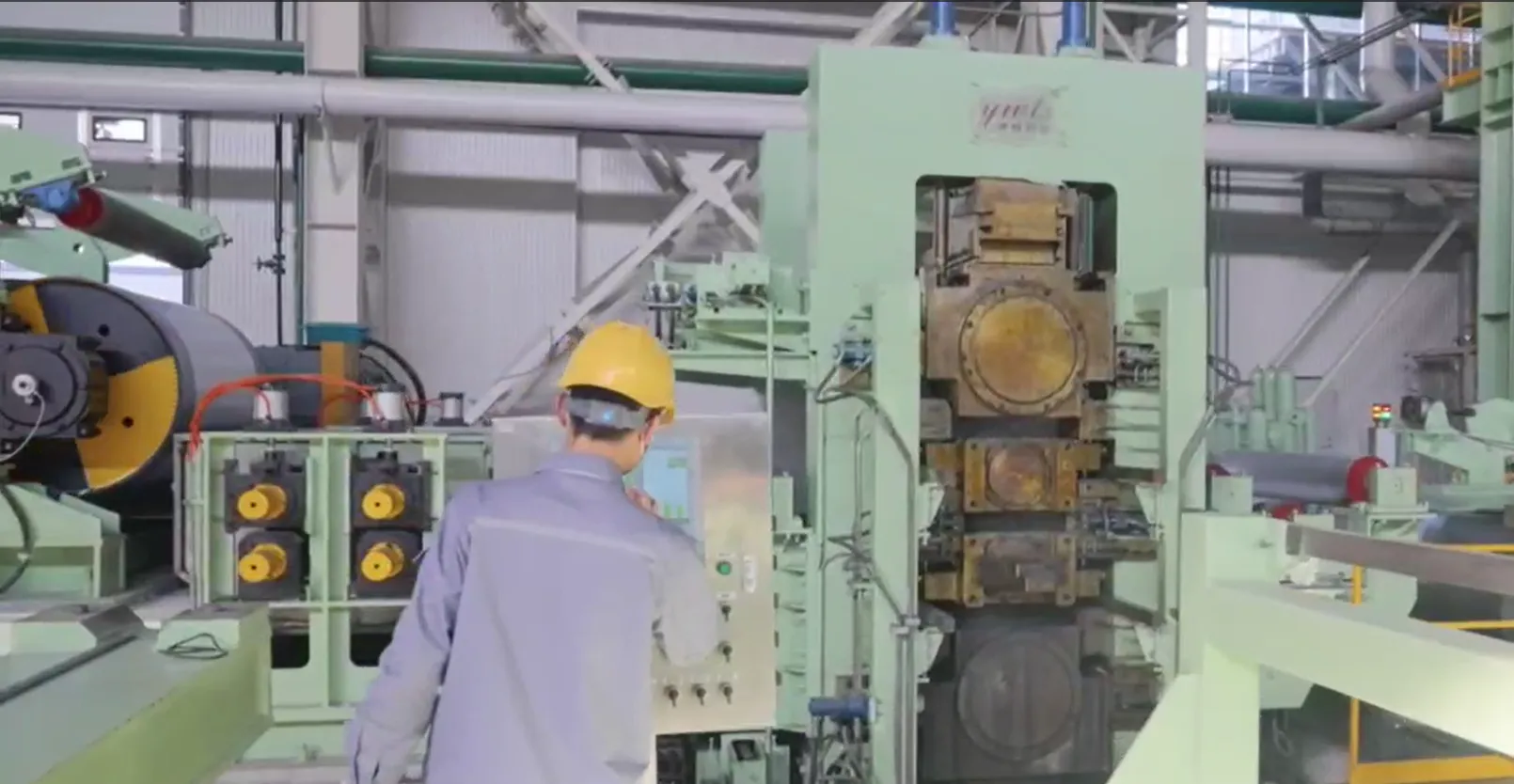
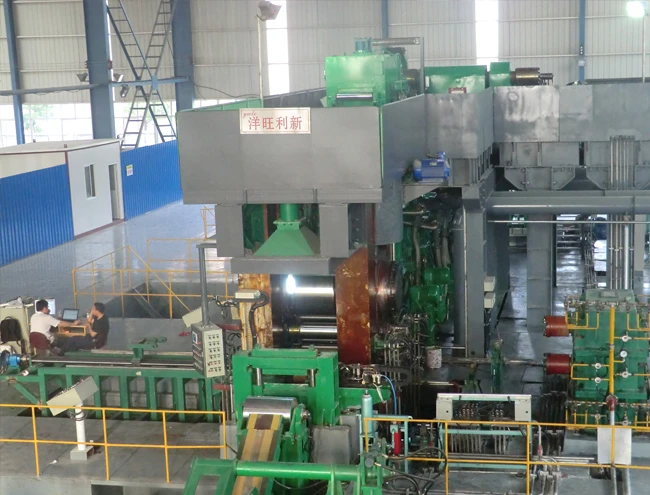
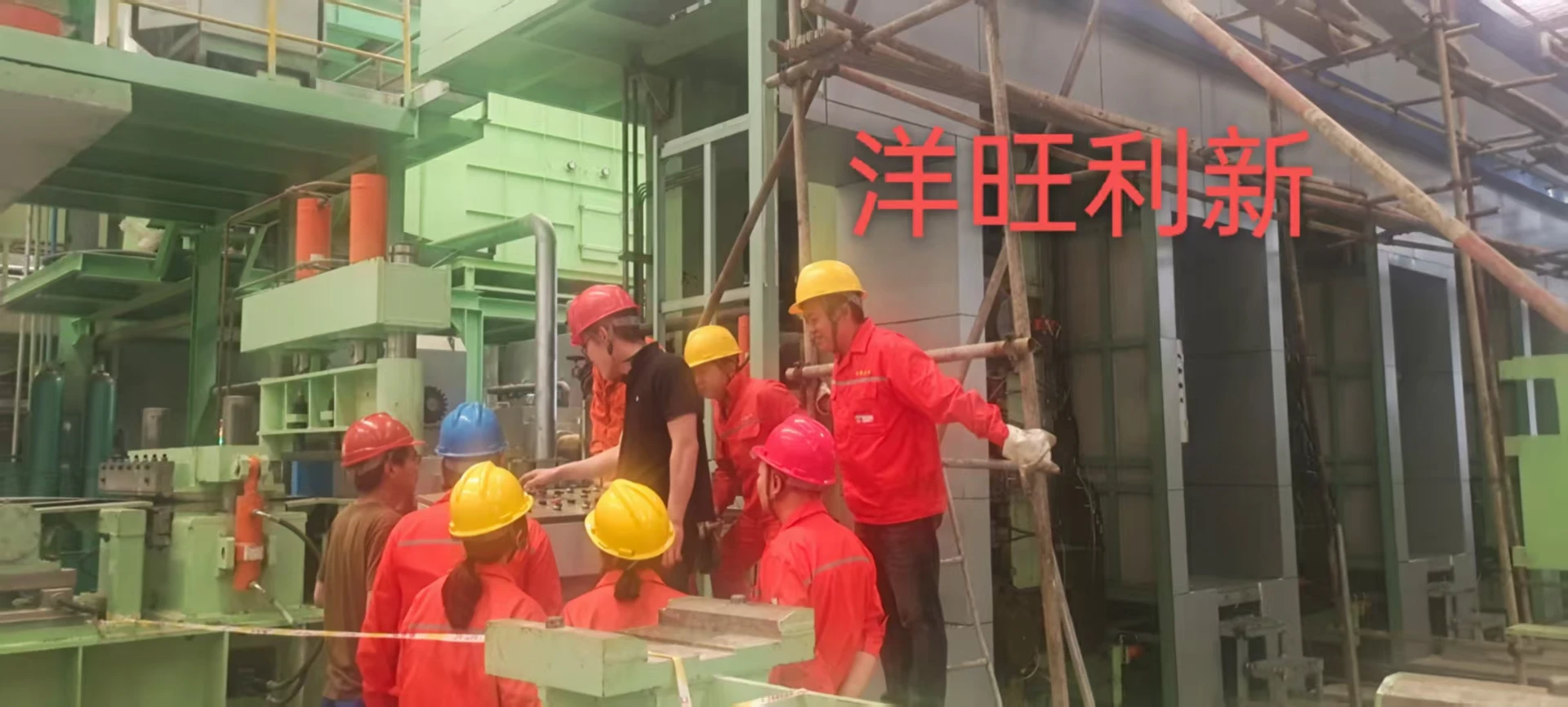
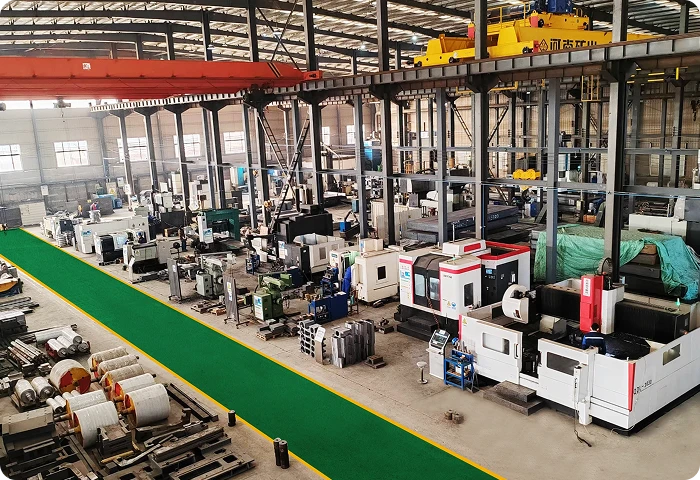
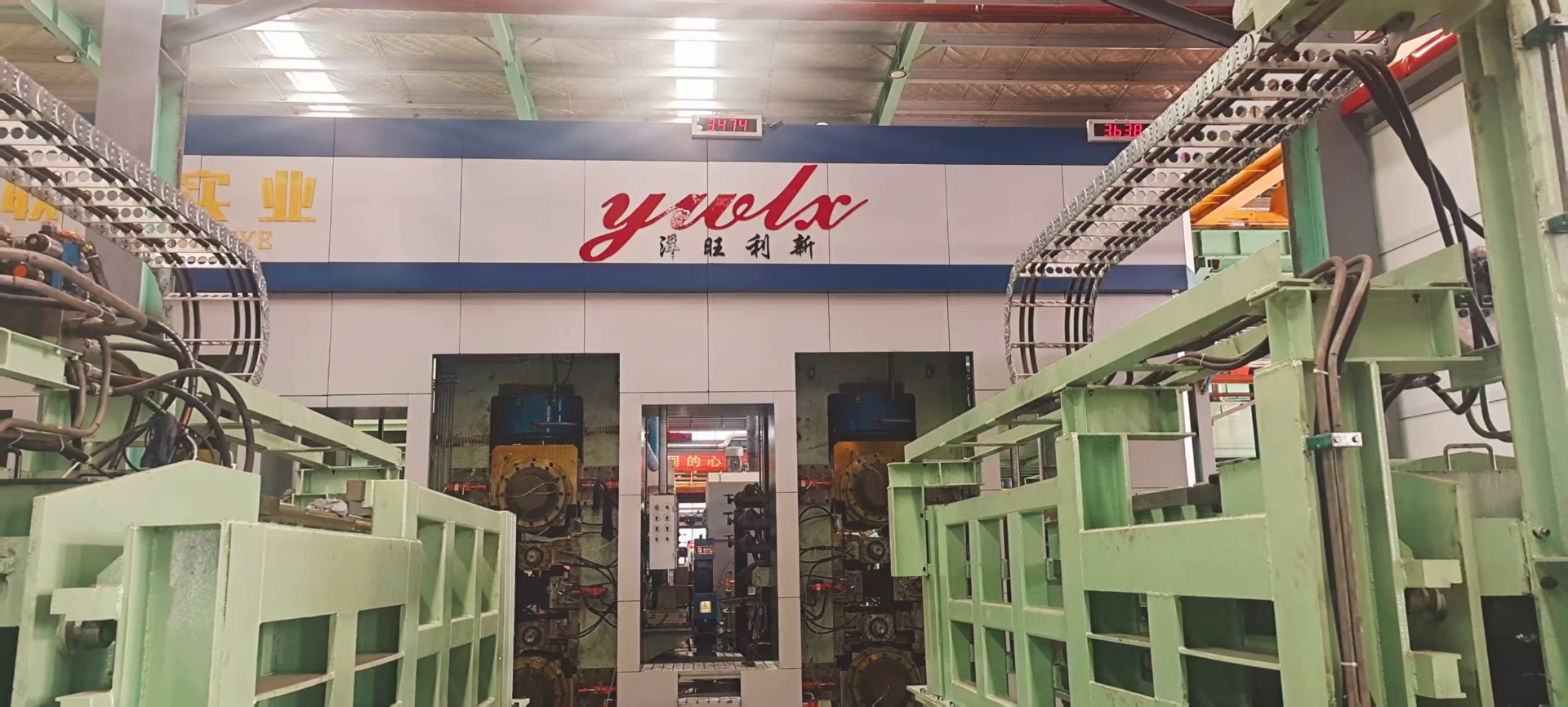
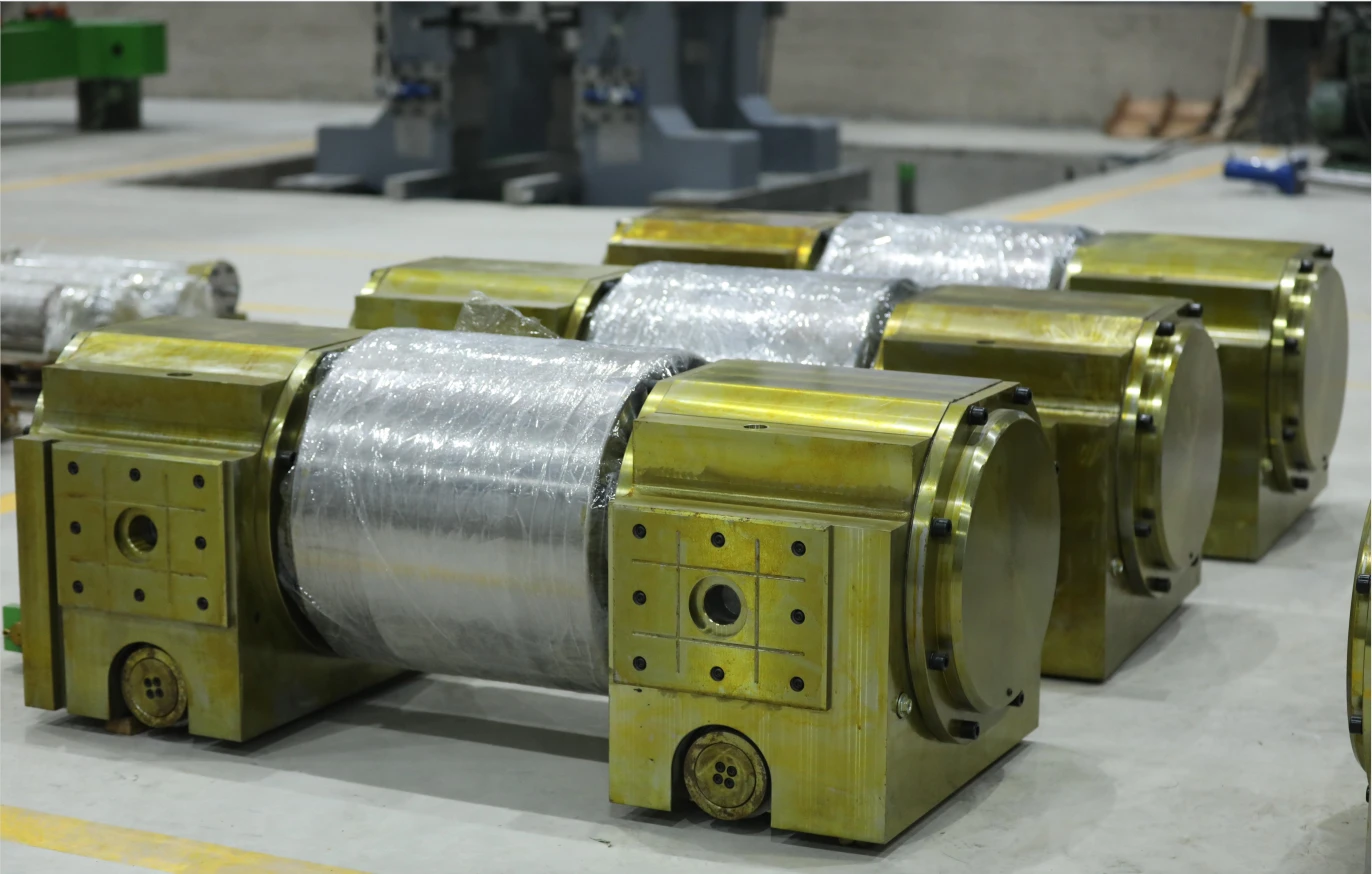
Yang Wang Li Xin operates a state-of-the-art facility over 66,000 square meters,and our manufacturing facility is fully equipped with high-tech machinery and high-capacity cranes. This enables us to handle large work pieces measuring 4.5m in width, 10m in length, and 1.5m in height, guaranteeing our capacity to produce 1800mm skin-pass mills and 1450mm rolling mills. The individual piece can weigh up to 100 tons.

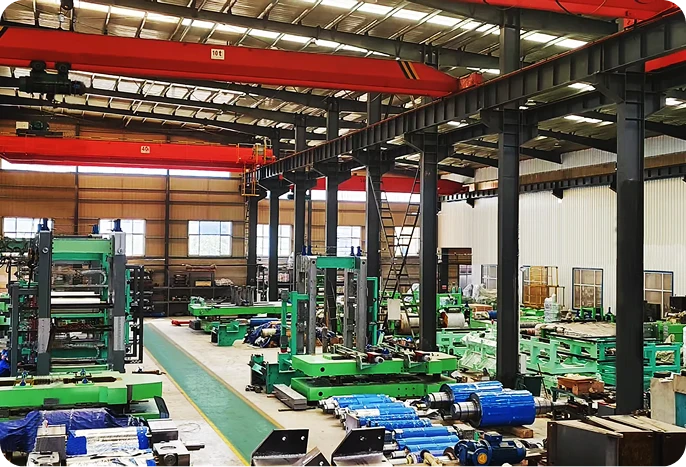

Quality is fundamental to the enterprise survival. We have established a comprehensive and meticulous quality management system and have successfully obtained ISO14000 certification. Starting from the design source, it supervises the entire production cycle, including design, procurement, processing, assembly, in-factory testing, installation, and online commissioning. The workshop is equipped with measuring tools like vernier calipers, spectrometers, hardness testers, and ultrasonic flaw detectors. They are used to check materials and control tolerances to ensure the final equipment meets or exceeds requirements. All products have a unique code, This enables the easy identification and traceability of the equipment components and ensures full control of quality.


-
 Système d'étanchéité d'eau pour barre et filLes bandes laminées à chaud sont devenues un produit incontournable dans de nombreuses industries grâce à leur robustesse et leur adaptabilité. Leur fabrication implique un processus de laminage à haute température qui procure au matériau une flexibilité et une résistance essentielles pour des applications variées. Dans cet article, nous allons explorer en profondeur l'expérience, l'expertise, l'a
 -
 What Is a Skin Pass Mill and How Does It Improve Surface Finish?A skin pass mill is a specialized type of cold rolling equipment used to enhance the surface quality and mechanical properties of metal strips, particularly steel and aluminum. Unlike conventional rolling mills that focus on significant thickness reduction, skin pass rolling applies minimal deformation—typically 0.5% to 3%—to achieve a smoother, more uniform surface. This process is essential in i
 -
 Cladding Rolling Mill – Advanced Technology for High-Quality Metal CladdingA cladding rolling mill is a highly specialized machine designed for producing composite metal sheets by bonding multiple layers of different metals. This innovative process enhances strength, corrosion resistance, and overall performance, making it essential for industrial applications where durability and reliability are critical. The Cladding Process – Achieving Superior Metal Bonding The cladd


